Tag: Self-reflection

  • Introverts vs Extroverts: Do They Handle Mental Health Differently?

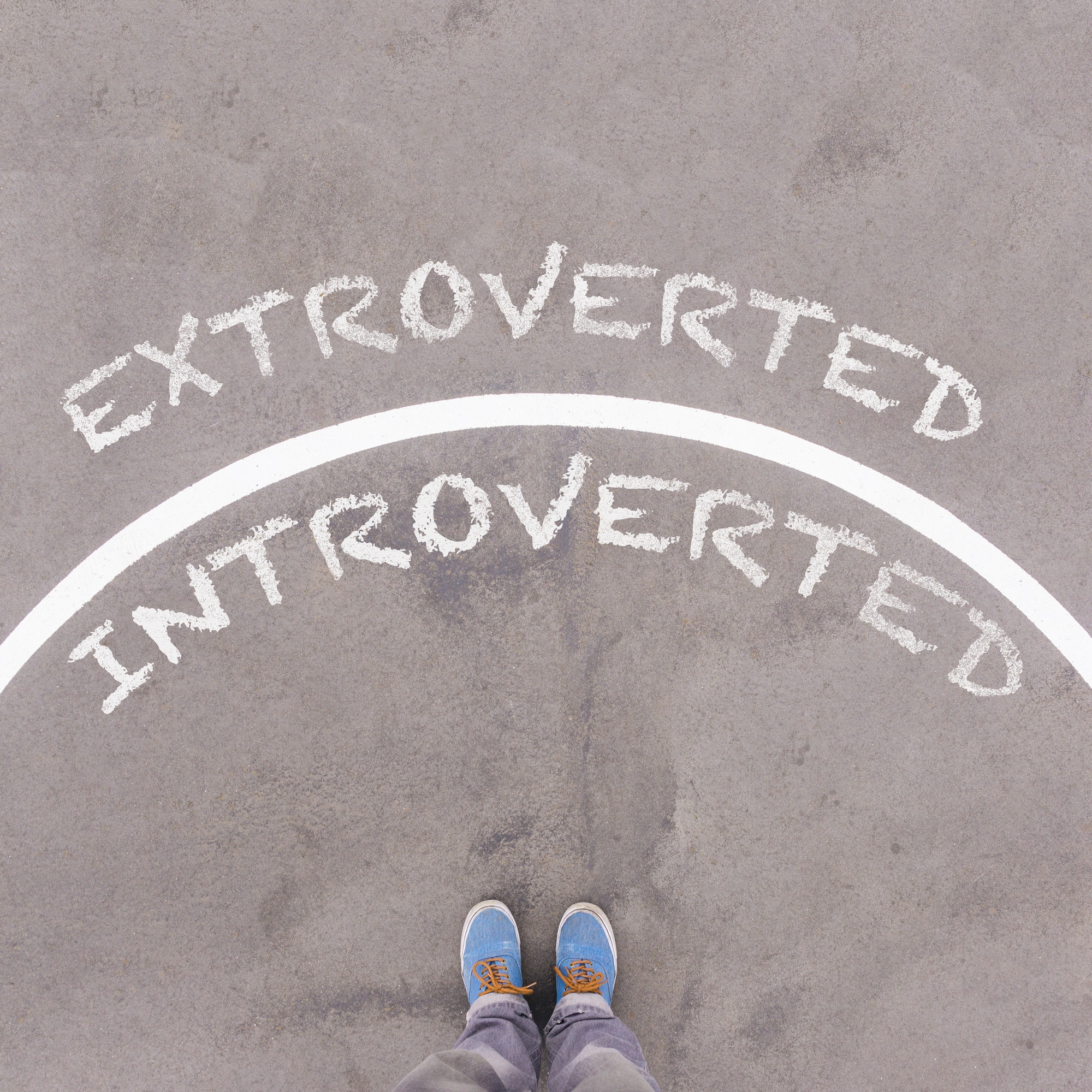
    The spectrum of introversion and extroversion defines how individuals interact with the world and derive energy. Beyond social preferences, does this spectrum also influence how introverts and extroverts handle their mental health? In this exploration, we delve into the nuances of mental health within these personality types.

    1. Understanding the Introverted Mind:

    Introverts, known for their preference for solitude, may be more susceptible to overthinking and internalizing stress. While introspection is a strength, it can lead to a heightened awareness of negative thoughts. Introverts might find solace in activities like journaling or mindfulness to manage their mental well-being.

    2. The Extroverted Energy Outlet:

    Extroverts, fueled by social interactions, often seek external outlets for stress relief. Their energy tends to thrive in vibrant environments. Social connections play a crucial role in maintaining their mental health, acting as a support system during challenging times.

    3. Social Anxiety vs. Social Fulfillment:

    Introverts may experience social anxiety, especially in large gatherings. Their mental health can be influenced by the need to balance socializing with the essential solitude they crave. Extroverts, on the other hand, may face challenges when deprived of social interactions, impacting their mood and well-being.

    4. Coping Mechanisms:

    Introverts may resort to individual coping mechanisms, such as engaging in creative activities or spending time in nature. Extroverts might lean towards group activities, seeking solace and support from their social circles. Understanding these coping mechanisms is vital in tailoring mental health strategies.

    5. Stress Responses:

    Introverts may internalize stress, leading to potential emotional exhaustion. Extroverts, in contrast, may externalize stress, expressing their emotions more openly. Recognizing these distinct stress responses is crucial in addressing mental health challenges effectively.

    6. Communication Styles:

    Introverts may prefer written communication or one-on-one conversations, allowing them to express their thoughts more thoughtfully. Extroverts may find relief in verbal communication and sharing their feelings openly. Tailoring mental health support to individual communication styles is essential.

    7. The Impact of Social Expectations:

    Society’s extroverted bias can place undue pressure on introverts to conform to social norms, potentially affecting their mental health. Extroverts, while thriving in societal structures, might face challenges when they need moments of solitude and introspection.

    8. Seeking Help:

    Introverts may hesitate to seek professional help due to their inclination towards privacy. Extroverts, being more outwardly expressive, might be more proactive in reaching out for support. Breaking the stigma around seeking help is crucial for both personality types.

    9. Self-Reflection Practices:

    Introverts may benefit from regular self-reflection practices to manage their mental health. Journaling, meditation, or engaging in solo hobbies can provide a sense of balance. Extroverts might find solace in group therapy or community activities that align with their social nature.

    10. Personalized Approaches:

    Recognizing the diversity within introverts and extroverts is essential for mental health professionals. Personalized approaches that consider individual preferences and coping mechanisms can contribute to more effective mental health strategies.

  • Introverts often find solace in their own company, preferring quieter environments and deep introspection. While being an introvert can be a blessing in many aspects of life, it can also pose challenges when it comes to dealing with mental health issues. In this article, we will explore how being an introvert can be both a curse and a blessing when it comes to navigating mental health, and how introverts can harness their strengths to find balance and well-being.

    One of the benefits of being an introvert when it comes to mental health is the ability to find comfort in solitude. Introverts tend to thrive in quiet and calm environments, which can provide a much-needed sanctuary for self-reflection and emotional processing. When faced with mental health challenges, introverts often have the natural inclination to retreat and spend time alone, allowing them to delve deeper into their thoughts and emotions.

    Being an introvert also means having a smaller circle of close friends and acquaintances. While extroverts may have a wide social network, introverts tend to prioritize quality over quantity when it comes to relationships. This can be a blessing when dealing with mental health issues, as introverts often have a few trusted confidants who provide genuine support and understanding. These close connections can be a lifeline during tough times, offering a safe space for vulnerability and emotional release.

    Moreover, being an introvert can shield individuals from the toxicity that people sometimes bring into our lives. Introverts tend to be more selective with their social interactions, avoiding energy-draining or negative individuals. This can be particularly beneficial for mental health, as toxic relationships and environments can exacerbate symptoms and hinder recovery. The ability to curate a supportive and nurturing social circle can be a powerful tool for introverts in their journey towards mental well-being.

    However, being an introvert also presents unique challenges when it comes to mental health. The preference for solitude may lead to feelings of isolation and loneliness, especially during times when social connection is vital. While introverts cherish their alone time, it is important to strike a balance and seek appropriate social support when needed. Engaging in activities that align with their interests, such as joining a book club or attending a small gathering of like-minded individuals, can provide introverts with meaningful connections and combat feelings of isolation.

    Additionally, introverts may find it challenging to open about their struggles and seek help due to their reserved nature. The stigma surrounding mental health issues can further compound this difficulty. It is essential for introverts to recognize that seeking help is not a sign of weakness, but rather a courageous act of self-care. Engaging in therapy, counseling, or joining support groups tailored for introverts can provide a safe and understanding space to address mental health concerns.

    To navigate the blessings and curses of being an introvert in relation to mental health, introverts can leverage their natural strengths. Utilizing introspective practices such as journaling, meditation, or engaging in creative outlets can help introverts process their emotions and gain insights into their mental well-being. Setting boundaries and carving out regular alone time can ensure that introverts recharge and replenish their energy, promoting resilience in the face of mental health challenges.

    In conclusion, being an introvert can be a double-edged sword when it comes to dealing with mental health. The preference for solitude and selectivity in relationships can offer solace, protection from toxicity, and a trusted support system. However, it can also contribute to feelings of isolation and make seeking help more challenging. By understanding and harnessing their introverted strengths, introverts can find a balance that allows them to navigate mental health challenges with resilience and self-care.

  • As Indians, we often judge people and things based on appearances alone, without fully understanding the situation. Our brains are wired to make quick conclusions. But when it comes to caste or religion, our perceptions can change in a dramatic way. We may suddenly feel compelled to defend our own caste or religion, even if we are not directly involved. This can lead to taking things personally and not being able to let go until the situation subsides.

    Recently, there were incidents in the state of Haryana involving the blocking of roads and railways, aggressive attacks causing damage to public property, theft from ATMs, and the setting of shops and malls on fire, all in response to the “Jat Agitation” demand for reservation. The national media was covering these events extensively.

    I wrote a Facebook post condemning the incidents and the demand for reservation by the Jats, who are known for being royal and rich, but are neither socially nor economically backward. To my surprise, some of my Facebook friends who are Jats started defending and justifying the protests. One of them even called me to ask if I was following a politician who was speaking out against the demand for reservation. I told them that I don’t have to follow anyone to see that what was happening was wrong and to speak out against it.

    What was interesting was that these friends who were defending the riots were not even participating in the protests. Some of them had previously spoken out against the idea of reservation. But now that their caste was demanding reservation, they suddenly had a change of heart.

    There were a few who spoke out against the riots, regardless of their caste, but the majority of people criticized them for bringing shame to their caste, as if the agitators weren’t already doing that. It’s difficult to understand how anyone could justify blocking a road, let alone the more aggressive acts that took place, just to demand reservation for one caste. It causes inconvenience to innocent people who have no part in this reservation controversy.

    Why is it that our caste or religion is more important to us than humanity and the greater good of people? I can’t help but wonder what would happen if people from ISIS or other terrorist organizations were of the same caste as my friends. They would likely cry every time a terrorist was hanged by the law and protest against it, just like they did for the reservation.

    This is why politicians are able to win elections through their dirty politics of caste and religion. It’s our emotional attachment to our caste or religion that is the biggest obstacle to our country’s development. We are the biggest fools in this conspiracy to keep people divided by caste and religion, but one thing is for sure – we won’t change.

  • Growing up in 2006, my friend Vinesh (or Vinna, as we liked to call him) and I were two young and carefree teenagers who just wanted to enjoy life. Our 12th board exams were fast approaching, and we had to attend Math tuition every day to improve our weakest subject. Our ride was a daily 4 km bicycle journey from our homes to the tuition center.

    Our parents were strict, always reminding us that we had to study hard for the board exams. But for us, being stuck inside with books felt like a prison sentence. So, whenever we could, we would leave home early and return late, just to spend more time outside of the house. We lived in neighboring areas, so our daily commute was always a joint one.

    On the way back home, we would pass by a railway crossing that was often closed to vehicles due to the high frequency of trains on that route. However, being impatient young Indians, we would cross it on our bicycles without any trouble. We would even stop our bikes at the crossing and watch the trains go by, debating on their estimated speeds. Sometimes, we would wait for one or two more trains to pass, just so we could extend our discussions a little longer.

    One day, we got carried away and were so late getting back home that it was already dark. When my parents asked why I was late, I quickly came up with the first excuse that popped into my head: “The railway crossing post was closed for too long. Even between the trains, they didn’t open it. That’s why I am so late.”

    To my surprise, my parents seemed to believe me. The next day, I told Vinna about my clever excuse and how I had managed to avoid trouble. But before I could finish my story, he pointed out the obvious flaw: “We were on bicycles, you idiot. We could have crossed the post even if it had been closed for real. Why would we just wait and watch the trains?”

    I was stunned by my own stupidity and couldn’t believe that my parents hadn’t noticed the flaw in my excuse. Vinna and I laughed and laughed about my foolishness until our stomachs ached. To this day, whenever we talk about that incident, we can’t help but laugh.

    Those really were the days! A time when we were carefree, fearless, and just enjoying the ride. I will always cherish the memories of that time, and the running joke that was born from my childhood excuse.

  • Apologizing isn’t always easy, but it’s an important part of being a responsible adult. Unfortunately, some people still don’t know how to do it properly. If you’re guilty of any of these apology faux pas, it’s time to take note and step up your game.

    First things first, never apologize via messaging. Sure, it’s convenient, but it’s also impersonal and can come off as insincere. If you’ve made a mistake, be a grown-up and face the person you’re apologizing to in person.

    Another big no-no is apologizing through a mutual friend. This is just a coward’s way out. When you apologize in person, your expressions and body language can speak louder than words, so don’t hide behind a third party.

    Some people like to give a long explanation before they apologize, but this is a bad idea. If you’re apologizing, it means you know you’ve done something wrong, so just own up to it and say you’re sorry. No need for a long-winded explanation.

    Another mistake people make is apologizing as if it’s a favor. This is just arrogant and sends the message that you don’t really think you did anything wrong. Remember, apologizing doesn’t make you any less of a person.

    Last but not least, don’t be the person who apologizes in the next lifetime. If you’ve made a mistake, don’t wait around to apologize. The longer you wait, the more likely it is that the other person will have moved on and won’t accept your apology.

    In conclusion, apologizing is an essential part of being a responsible adult. It’s important to know how to do it properly, and avoid common mistakes. Remember, if you’ve made a mistake, own up to it and apologize in person with a sincere heart.