Category: Self-Improvement

Simple ways to grow as a person – one little step at a time.

  • Creating a self-care routine can help promote overall well-being and improve mental health. Here are some steps to help you create a self-care routine that works for you:

    Identify your needs

    Take some time to reflect on what you need to take care of yourself. This can include physical, emotional, mental, and spiritual needs.

    Make a list

    Write down all the activities or practices that come to mind when you think of self-care. This list can include things like exercise, meditation, reading, journaling, spending time with friends, etc.

    Prioritize

    Look at your list and prioritize the activities that are most important to you. Think about which activities will have the most impact on your overall well-being.

    Be realistic

    Be realistic about how much time and energy you have available for self-care. Don’t try to fit too many activities into your routine or set unrealistic goals for yourself.

    Schedule it

    Once you have a list of prioritized activities, schedule them into your routine. It can be helpful to set aside specific times each day or week for self-care.

    Mix it up

    Keep in mind that your self-care routine should be flexible, and try new things to find out what works best for you.

    Make it a habit

    Consistency is key when it comes to self-care. Make your self-care routine a habit by doing it regularly and at the same time every day.

    Be kind to yourself

    Remember that self-care is not about being perfect, it’s about being kind to yourself and taking care of your well-being. If you miss a self-care activity or don’t follow your routine perfectly, don’t be hard on yourself, just try again next time.

    Evaluate and adjust

    Regularly evaluate your self-care routine to see what works and what doesn’t. Adjust your routine as necessary to ensure that it continues to meet your needs.

    Remember, self-care is a personal and ongoing process, what works for one person may not work for another. Be mindful of your own needs and preferences, and be willing to adjust your routine as necessary.

  • Mindfulness and meditation have been gaining popularity in recent years as effective tools for promoting mental health and well-being. Both practices involve paying attention to the present moment, without judgment, and have been shown to have a wide range of benefits for mental health. Here are some of the most amazing benefits:

    1. One of the most well-known benefits of mindfulness and meditation is their ability to reduce stress. Stress can take a toll on our mental and physical health, and mindfulness and meditation have been shown to be effective in reducing stress by slowing down the body’s physiological response to stressors. This can lead to lower blood pressure, heart rate, and a reduced risk of stress-related illnesses.
    2. Mindfulness and meditation have also been shown to improve mood and reduce symptoms of depression and anxiety. By training the mind to focus on the present moment, mindfulness and meditation can help individuals to become less reactive to negative thoughts and emotions, which can improve overall well-being.
    3. In addition, mindfulness and meditation can also improve cognitive function, such as attention, memory, and decision-making. This is because mindfulness and meditation can help to increase blood flow to the brain and improve the efficiency of neural networks.
    4. It can help individuals to become more self-aware, which can lead to better understanding of one’s own mental health needs. Mindfulness and meditation can also help individuals to develop coping strategies for dealing with difficult thoughts and emotions, which can improve overall resilience.
    5. Another benefit of mindfulness and meditation is that they can help to improve overall well-being and quality of life. By training the mind to focus on the present moment, mindfulness and meditation can help individuals to become less reactive to negative thoughts and emotions, which can lead to a greater sense of peace and contentment.

    Mindfulness and meditation can be practiced by anyone, regardless of age, gender, or background, and can be integrated into daily life with ease. Whether you’re dealing with mental health issues or simply looking to improve overall well-being, mindfulness and meditation can be a valuable addition to your self-care routine. It’s important to find the right approach and practice that works best for you, and to be consistent and persistent with the practice, to see the benefits.

  • Journaling has been shown to have many benefits for mental wellness. Here are a few ways in which journaling can help promote mental well-being:

    Expressing emotions

    Journaling can provide an outlet for emotions and help individuals understand and process their thoughts and feelings.

    Problem-solving

    Writing about problems can help to clarify and organize thoughts, and can lead to new insights and solutions.

    Self-discovery

    Journaling can help individuals gain a better understanding of themselves and their experiences.

    Reducing stress

    Writing about stressors can help to reduce feelings of stress and anxiety.

    Improving mood

    Journaling has been shown to improve mood and reduce symptoms of depression.

    Enhancing self-esteem

    Reflecting on positive experiences and accomplishments can boost self-esteem and self-confidence.

    Mindfulness

    Journaling can be a form of mindfulness practice that helps people to be more present and aware of their thoughts and emotions.

    Memory improvement

    Writing down events and thoughts can help with memory retention and recall.

    Setting and achieving goals

    Journaling can help individuals set and track personal goals and monitor progress.

    Tracking personal growth

    Keeping a journal over time can also allow you to see personal growth and development.

    It’s important to note that journaling is a personal practice and there is no one-size-fits-all approach. Some people prefer to write in a traditional diary while others prefer to keep a digital journal, and some people like to write down their thoughts and feelings while others prefer to write down their goals, plans, and reflections. Experiment with different formats and styles to find what works best for you.

  • The “Sunday Scaries” is a colloquial term used to describe the feelings of anxiety and dread that some people experience on Sunday evenings, as the weekend comes to an end and the workweek begins. The Sunday scaries can be caused by a variety of factors, such as the stress of returning to work or school, the pressure of unfinished tasks, or the feeling of dread associated with the end of the weekend. The Sunday scaries can also be a symptom of other underlying mental health issues such as anxiety disorder or depression.

    Symptoms of the Sunday scaries can include feelings of anxiety, dread, and worry, difficulty sleeping, and a sense of unease. These symptoms can be mild or severe, and can vary from person to person. It’s important to note that the Sunday scaries are a common phenomenon and that it’s normal to feel a little bit of anxiety as the weekend comes to an end.

    If you find that the Sunday scaries are impacting your quality of life, there are ways to manage them. Some strategies that can help include:

    Prioritizing self-care

    Taking care of yourself both physically and mentally is important in preventing the Sunday Scaries.

    Planning ahead

    Planning out your schedule for the upcoming week can help to alleviate some of the stress associated with the Sunday scaries.

    Practicing mindfulness

    Engage in mindfulness practices such as deep breathing, meditation or yoga. It can help you to be more present and less anxious about the future.

    Connecting with others

    Spending time with friends and family, or even just having a conversation with someone, can help to alleviate feelings of isolation and anxiety.

    Plan a fun activity

    Whether it’s going for a hike, trying a new recipe, or catching up with friends, having something to look forward to can help ease the Sunday scaries.

    Get moving

    Exercise has been shown to boost mood and reduce stress. So go for a run, do a yoga class, or hit the gym to help shake off the Sunday blues.

    Reflect on the week

    Take some time to reflect on the past week and think about what you’re grateful for. This can help put things in perspective and shift your focus away from the upcoming week.

    Disconnect

    Try to disconnect from technology and social media for a while on Sunday. This can help reduce stress and allow you to focus on the present moment.

    Seeking professional help

    If you find that the Sunday Scaries are impacting your quality of life, it’s important to seek professional help.

    It’s important to remember that the Sunday scaries are a common phenomenon and that it’s normal to feel a little bit of anxiety as the weekend comes to an end. With the right strategies and support, it’s possible to manage and reduce the impact of the Sunday scaries on your life.

  • Nature has long been recognized for its ability to promote mental well-being. Studies have shown that spending time in nature can reduce stress, improve mood, and boost cognitive function. Here are a few ways in which nature can benefit our mental wellness:

    Reducing stress

    Being in nature can lower levels of cortisol, a hormone associated with stress, and increase feelings of relaxation.

    Improving mood

    Spending time in nature has been shown to improve mood and reduce symptoms of depression and anxiety.

    Boosting cognitive function

    Nature can help improve focus, concentration, and creativity.

    Enhancing self-esteem

    Spending time in nature can also boost self-esteem and body image.

    Promoting social connections

    Nature can also be a great place to connect with others and build social support, which is important for mental wellness.

    Mindfulness and meditation

    Nature can also be a great place to practice mindfulness and meditation, which can help reduce stress and promote mental well-being.

    Fresh air and Sunlight

    Being in nature can also give you access to fresh air and sunlight which are important for overall well-being. Sunlight is important for the production of Vitamin D and the fresh air can help clear your mind and improve lung function.

    Overall, spending time in nature can be a simple and effective way to promote mental wellness and improve overall well-being.

  • The connection between mental and physical health is complex and multifaceted. It’s well-established that our mental and physical health are closely interconnected, and that one can have a significant impact on the other. Understanding this connection is important in order to promote overall well-being and to manage both mental and physical health issues.

    One of the key ways in which mental and physical health are connected is through stress. Stress is a normal part of life, but chronic stress can have a significant impact on both mental and physical health. Prolonged stress can lead to a host of physical health issues, such as high blood pressure, heart disease, and diabetes. It can also lead to mental health issues such as anxiety and depression.

    Another way in which mental and physical health are connected is through the immune system. Studies have shown that individuals who are struggling with mental health issues, such as depression and anxiety, have a weaker immune system. This can make them more susceptible to illnesses and can also prolong recovery time.

    The connection between mental and physical health is also evident in the way that physical conditions can affect mental health. For example, chronic pain can lead to depression and anxiety. Similarly, conditions such as heart disease and diabetes can have a significant impact on mental health, leading to feelings of hopelessness, helplessness, and a reduced quality of life.

    It’s also important to note that the connection between mental and physical health is not a one-way street. While mental health issues can have a significant impact on physical health, physical health issues can also have an impact on mental health. For example, a chronic physical condition can lead to feelings of hopelessness and helplessness, which can in turn lead to depression and anxiety.

    In conclusion, the connection between mental and physical health is complex and multifaceted. It’s well-established that our mental and physical health are closely interconnected, and that one can have a significant impact on the other. Understanding this connection is important in order to promote overall well-being and to manage both mental and physical health issues. It’s important to remember that mental and physical health are not separate entities, but rather they are intertwined and they are mutually influential. The key is to maintain a balance between them, and to take care of both our mental and physical well-being.

  • We’ve all been there: feeling stuck in a rut, feeling unfulfilled and uninspired, and not knowing how to move forward. It’s a frustrating and sometimes overwhelming feeling, but it’s important to remember that it’s a common experience, and that there are ways to get moving again.

    First and foremost, it’s important to identify the source of the rut. Is it a specific aspect of your job or personal life that is causing dissatisfaction? Or is it a general feeling of dissatisfaction with your current circumstances? Once you’ve identified the source, it’s easier to come up with a plan of action.

    One effective strategy for getting out of a rut is to set small, achievable goals. Instead of trying to overhaul your entire life at once, start with small, manageable steps. This could mean setting a goal to take a walk every day, or to volunteer once a week. The key is to start with something small and manageable, so that you can build momentum and see progress.

    Another effective strategy is to try something new. Whether it’s taking a class, learning a new hobby, or trying a new activity, introducing something new into your life can help shake things up and give you a renewed sense of purpose. It’s also a great way to meet new people, which can help you expand your social circle and gain a fresh perspective on things.

    It’s also important to take care of yourself during this time. Make sure to prioritize self-care, whether that means taking time to exercise, meditate, or simply take a relaxing bath. It’s also important to make sure you’re getting enough sleep and eating well, as these things can have a big impact on your overall mood and well-being.

    Finally, don’t be afraid to reach out for help if you need it. Whether it’s talking to a therapist or counselor, or seeking advice from a friend or family member, it’s important to remember that you don’t have to navigate this alone.

    In conclusion, being stuck in a rut can be a difficult and frustrating experience, but it’s important to remember that it’s a common experience, and that there are ways to get moving again. By identifying the source of the rut, setting small, achievable goals, trying something new, taking care of yourself and reaching out for help, you can start to make progress and find your way out of the rut.

  • Negative self-talk can be detrimental to our mental health and can lead to feelings of low self-esteem and insecurity. However, it is possible to change this negative inner dialogue by using positive affirmations. Here are some steps to help you turn your negative self-talk into positive affirmations:

    Identify your negative thoughts

    Take note of the negative thoughts that you have about yourself. These can be things like “I’m not good enough,” “I can’t do this,” or “I’ll never be successful.”

    Reframe your thoughts

    Once you’ve identified your negative thoughts, try to reframe them into something more positive. For example, instead of “I’m not good enough,” you can say “I am capable and worthy.” Instead of “I can’t do this,” you can say “I can do this, and I will.”

    Write down your affirmations

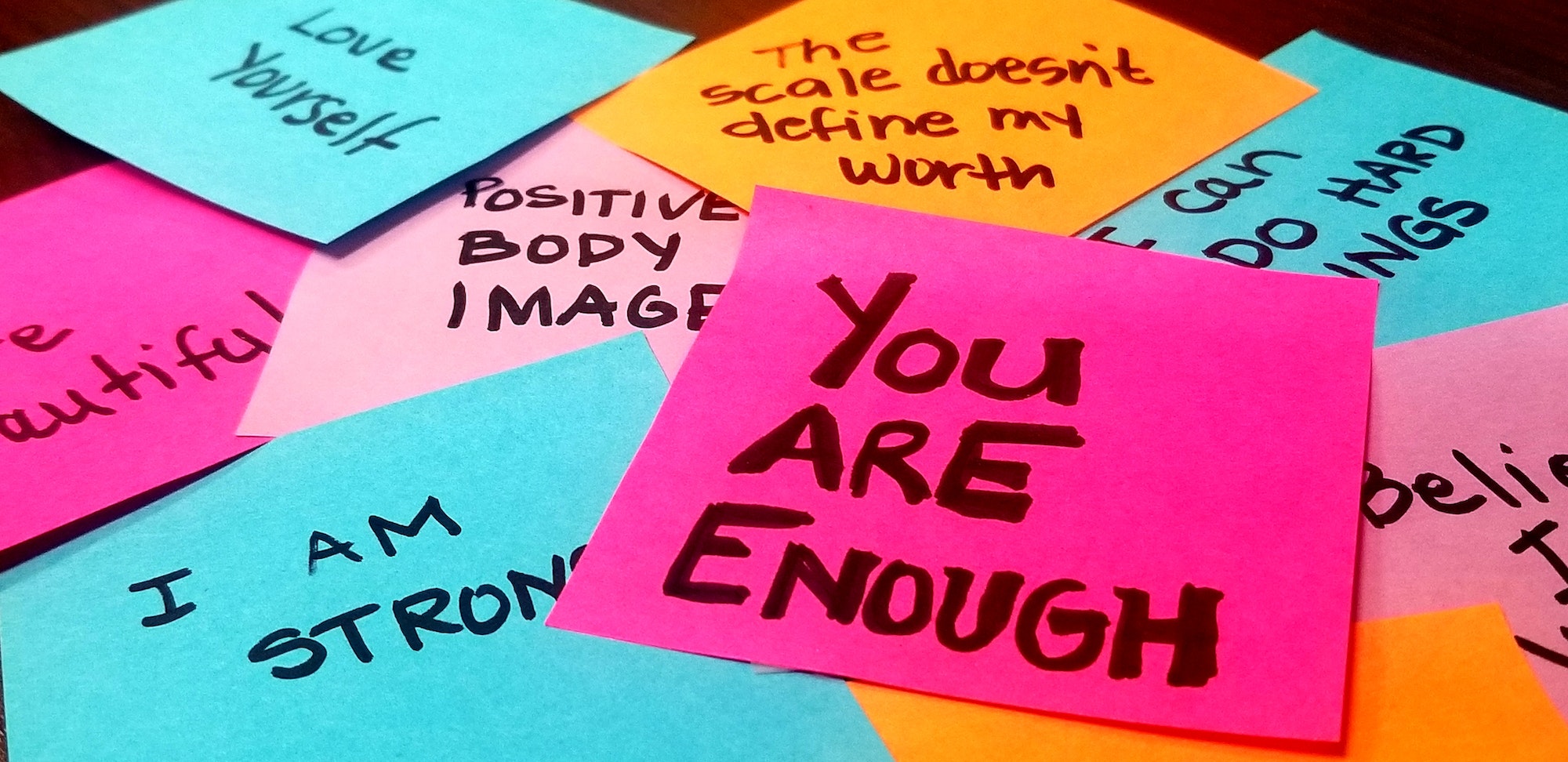
    Write down your positive affirmations and put them in a place where you will see them often, such as on your mirror, fridge, or computer.

    Repeat your affirmations

    Repeat your affirmations to yourself throughout the day, especially when you notice negative thoughts creeping in.

    Believe in your affirmations

    It’s important to believe in your affirmations and to remind yourself that you are worthy, capable, and strong.

    Practice consistency

    It takes time and practice to change your thought patterns, so be consistent in practicing your affirmations to make them more effective.

  • Self-care is an essential aspect of maintaining mental health. It involves taking the time to focus on your own well-being and to engage in activities that promote physical, emotional, and mental well-being. While self-care can take many forms, there are some key elements that are common to all self-care practices. In this article, we will explore self-care 101: how to take care of your mental health.

    Identify your own needs

    This means taking the time to reflect on what you need to feel better, whether it be a bubble bath, a good book, or a walk in nature. It’s important to understand that self-care is not a one-size-fits-all concept and that different activities will work better for different people. The key is to find activities that work best for you and that you enjoy.

    Set aside time for self-care activities

    This means making a commitment to yourself to engage in self-care activities on a regular basis. It’s important to make self-care a priority, and to schedule it into your day, just as you would schedule other important activities.

    Practice self-compassion

    This means being kind and understanding to yourself, even when things don’t go as planned. Self-compassion is about recognizing that we are all human and that we all make mistakes. It’s important to remember that self-care is not about perfection, but rather it’s about being kind to yourself and recognizing that you are doing the best you can.

    Practice mindfulness

    Mindfulness is the practice of being present in the moment and paying attention to your thoughts, feelings, and bodily sensations. Mindfulness can be practiced through meditation, deep breathing, or other mindfulness exercises. It’s important to remember that mindfulness is not about trying to control your thoughts, but rather it’s about observing them without judgment.

    Engage in activities that promote physical well-being

    This means making time for regular exercise, eating a healthy diet, and getting enough sleep. It’s important to remember that physical well-being is closely connected to mental well-being, and that taking care of your body is an important part of self-care.

    Connect with others

    This means spending time with friends and family, or even just having a conversation with someone. It’s important to remember that social support is an important part of self-care, and that connecting with others can help to reduce feelings of isolation and anxiety.

    In conclusion, self-care is an essential aspect of maintaining mental health. It involves taking the time to focus on your own well-being and to engage in activities that promote physical, emotional, and mental well-being. The key to self-care is to identify your own needs, set aside time for self-care activities, practice self-compassion, mindfulness, engage in activities that promote physical well-being and connect with others. Remember that self-care is a continuous process and that it’s important to make self-care a priority in your daily life.

  • Mental health is an important aspect of overall well-being, yet many people still struggle with the idea of opening up about their mental health struggles. The stigma surrounding mental health can make it difficult for individuals to talk about their experiences, and can prevent them from seeking help. Breaking the silence and opening up about mental health is crucial in order to promote better understanding and support for those who are struggling.

    Fear of Judgment

    One of the biggest reasons why people struggle to open up about their mental health is fear of judgment. Many people fear that they will be judged for having a mental health issue, or that they will be viewed as weak. This fear can prevent individuals from talking about their experiences and can make it difficult for them to seek help. It’s important to remember that mental health issues are not a sign of weakness, and that they are not a choice. They are a medical condition that requires proper treatment and support.

    Lack of Understanding

    Another reason why people struggle to open up about their mental health is the lack of understanding of mental health issues. Many people don’t understand what mental health is, and they don’t understand the different types of mental health issues. This lack of understanding can make it difficult for individuals to talk about their experiences, and can make it difficult for them to seek help. It’s important to educate ourselves and others about mental health, and to dispel myths and misconceptions.

    Mental Health Education

    Breaking the silence and opening up about mental health starts with education. It’s essential to educate ourselves and others about mental health issues and to dispel myths and misconceptions. This can be done by talking openly and honestly about mental health, and by learning more about mental health through books, articles, and documentaries.

    It’s also important to recognize that mental health issues are not limited to certain individuals, and that they can affect anyone. It’s essential to create an environment where individuals feel comfortable talking about their experiences, and where they can receive support and understanding.

    Seeking Professional Help

    Another way to break the silence is by encouraging people to seek professional help. It’s important to recognize that mental health issues are medical conditions and that treatment and support are available. Seeking professional help is not a sign of weakness, but rather a sign of strength and courage.

    In conclusion, breaking the silence and opening up about mental health is crucial in order to promote better understanding and support for those who are struggling. It’s important to educate ourselves and others about mental health, to dispel myths and misconceptions, to create an environment of openness and acceptance, and to encourage people to seek professional help. By breaking the silence, we can remove barriers that prevent individuals from seeking help, and we can create a more supportive and understanding society for all.

    It’s important to remember that mental health is not a one-size-fits-all concept, and that mental health needs and experiences vary from person to person. Everyone’s experience with mental health is different, and it’s important to respect and accept that. It’s also important to remember that it’s okay to not be okay, and that it’s okay to reach out for help.

    In order to break the silence, we all have a role to play in creating a society where mental health is not stigmatized. We can do this by being open, understanding and non-judgmental when someone opens up to us about their mental health struggles. It’s important to listen actively and empathetically, and to offer support and encouragement. Let’s work together to break the silence and create a more supportive and understanding society for all.